

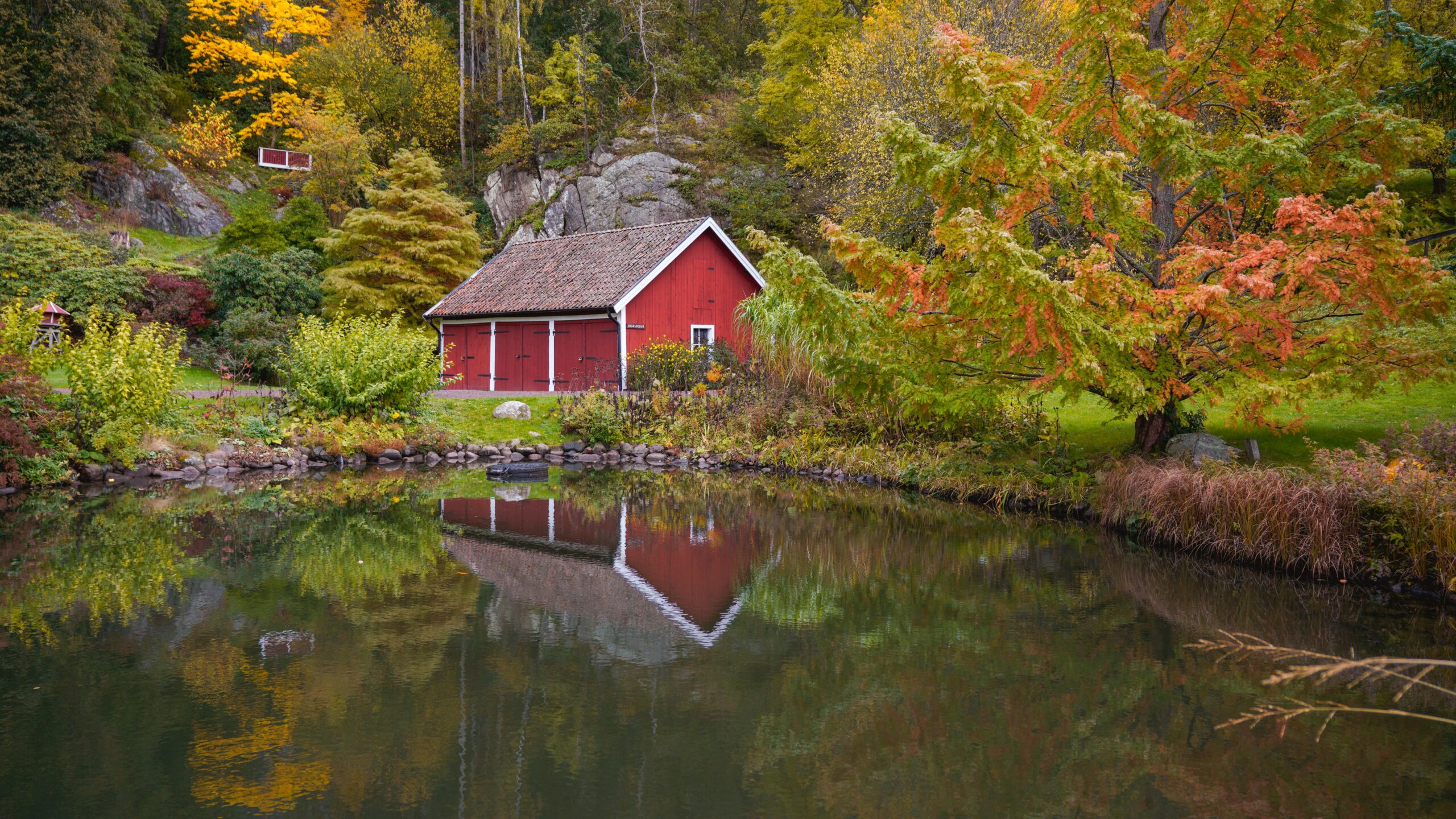

If you’re planning to rent a Swedish stuga this summer, you’ve picked one of the best ways to actually experience Sweden – not just visit it. Forget hotel buffets and city traffic. A stuga (Swedish for “cottage” or “cabin”) gets you a private dock, a wood-fired sauna, and the kind of silence that makes you realize how loud your normal life actually is.
I live in Sweden and have rented, borrowed, and stayed in stugor (the plural form) all over the country – from a tiny red cottage on a Stockholm archipelago island to a lakeside place in Dalarna with a sauna so hot we had to take breaks in the lake every ten minutes. What I’ve learned is that renting a stuga is simple once you understand a few Swedish quirks that nobody bothers to explain to tourists.
This guide covers exactly that: where to look, what things actually cost in SEK, which regions suit different travelers, and the small details that separate a magical week from a frustrating one.
At a Glance: What You Need to Know
Before diving in, here’s the short version:
- Typical weekly cost: 3,000 – 15,000 SEK depending on standard, location, and season
- Peak season: Late June through early August – book by February/March for the best spots
- Most popular regions: Stockholm archipelago, Bohuslän, Dalarna, Småland
- What’s often included: Bed linen, basic kitchen equipment, firewood
- What’s often NOT included: Towels, cleaning fee, electricity (in older cottages), Wi-Fi
- Key word to know: bastu (sauna) – almost every stuga has one, and it’s not optional fun, it’s a Swedish institution
What Exactly Is a “Stuga”?
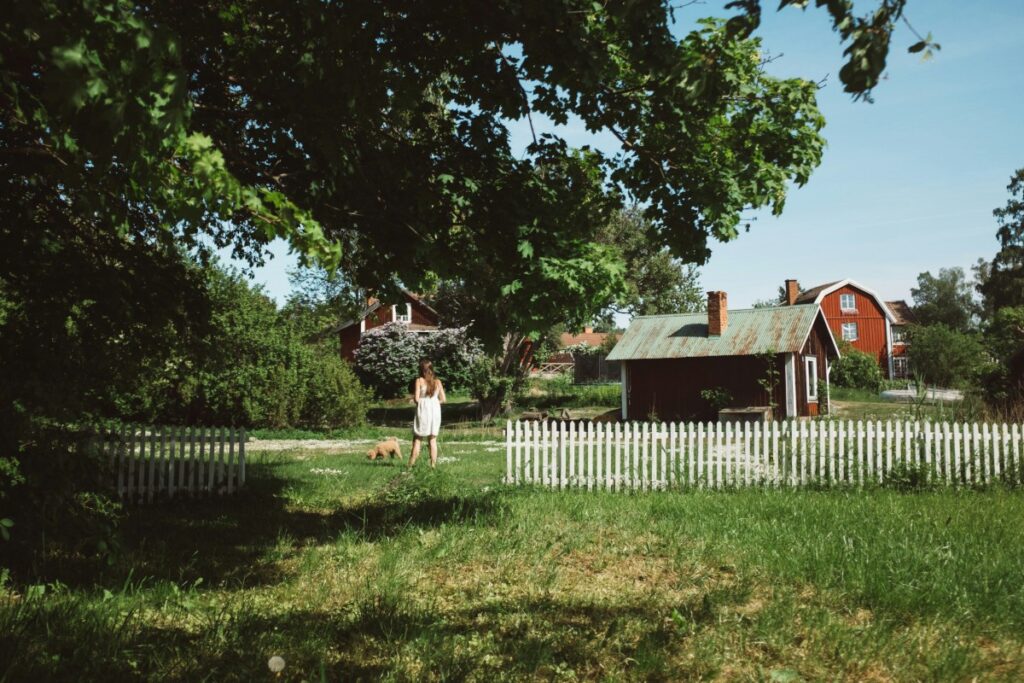
A stuga is simply a small house or cabin, but in practice it almost always refers to a holiday cottage – what Swedes call a sommarstuga (summer cottage) or fritidshus (leisure home). These are typically wooden, painted in the iconic Falu red (falu rödfärg), and built for exactly one purpose: getting away from everything.
Local tip: Don’t confuse a stuga with a torp. A torp technically refers to an old crofter’s cottage — usually smaller, older, and more rustic, often without indoor plumbing. If you see “torp” in a listing, expect an outhouse (torrdass) and a more basic experience. Some travelers love this; others are not prepared for it.
What makes renting a Swedish stuga different from renting, say, a villa in Spain, is that almost every cottage – even budget ones – comes with access to a lake, the sea, or at minimum a forest trail right outside the door. Nature isn’t a feature here; it’s the whole point.
Where to Rent a Stuga: The Best Regions
Sweden is enormous, and where you rent a stuga completely changes the experience. Here’s how I’d break it down for both tourists and newcomers settling in for the season.
Stockholm Archipelago (Skärgården)
If you want island-hopping, swimming off your own dock, and easy access back to the capital, the archipelago is unbeatable. Islands like Värmdö, Ingarö, and the outer islands around Sandhamn all have cottages for rent, ranging from simple to seriously upscale.
Insider tip: The closer to Stockholm, the higher the price and the more competition for bookings. If your Swedish is non-existent and budget matters, look slightly further out – areas around Norrtälje or the southern archipelago near Nynäshamn offer similar scenery for less.
Bohuslän (West Coast)
This is rugged, rocky coastline dotted with smooth granite, fishing villages, and seafood that tastes like it was caught an hour ago (because it probably was). Renting a stuga in Bohuslän – around Fjällbacka, Smögen, or Käringön – gives you a completely different Sweden than the lake-and-forest interior.
From my experience: Bohuslän cottages book out fastest of all, especially in July. If this is your top choice, don’t wait until spring to look.
Dalarna and Lake Siljan
This is the Sweden of postcards – red cottages, folk costumes, fiddle music, and Midsummer celebrations that feel like stepping into another century. Lake Siljan itself is huge and surprisingly warm by Swedish standards in July.
If you’re visiting around Midsummer, this is one of the best places in the country to experience it properly – I cover exactly what to expect in my Midsummer 2026 guide.
Småland’s Lake District
Quieter and more affordable than the coastal regions, Småland is full of small lakes, forests, and the kind of place where, if you rent a Swedish stuga away from the coast, the loudest sound at night is an owl. It’s a great choice if you want to rent a Swedish stuga without competing with everyone else for the same dock space.
How Much Does It Cost to Rent a Stuga in Sweden?
This is the question I get asked most, and the honest answer is: it depends enormously on standard and location, but here are realistic ranges based on what’s actually listed.
Budget (1,500-4,000 SEK/week): Basic cottages, often without indoor plumbing – outdoor toilet, possibly a shared shower block if it’s part of a small camping/cottage complex. Common in Norrland and parts of Dalarna.
Mid-range (5,000-10,000 SEK/week): The sweet spot for most visitors. Indoor bathroom, full kitchen, sauna, dock or garden, sleeps 4-6. This is what most people picture when they imagine a Swedish summer cottage.
Premium (10,000-20,000+ SEK/week): Lakefront or seafront with hot tub, larger groups, modern interiors, sometimes with a boat included. Common in the Stockholm archipelago and Bohuslän during July.
What nobody tells you: Many private listings (booked directly through Swedish agencies) charge extra for slutstädning (final cleaning, often 500-1,200 SEK) and sometimes electricity is billed separately if the cottage has its own meter. Always check what’s included before comparing prices – a “cheaper” stuga can end up costing more once you add these.
How to Actually Book a Stuga
There are two main routes when you want to rent a Swedish stuga as a visitor:
International platforms – Booking.com now lists a huge number of Swedish holiday homes alongside hotels, which makes comparing prices and reading reviews much easier if you don’t read Swedish.
Swedish cottage agencies – Sites run by Swedish companies list thousands of privately-owned stugor directly from owners, often with better prices but listings entirely in Swedish (a translate extension helps).
Local tip: If you’re paying a private owner directly via bank transfer, ask whether they accept Swish (the Swedish payment app) – most don’t allow this for foreign accounts, but some smaller agencies do work with international cards through services like Wise, which avoids the painful exchange rates some banks apply.
What to Expect Inside a Typical Stuga
This is where expectations and reality often diverge for first-time renters.
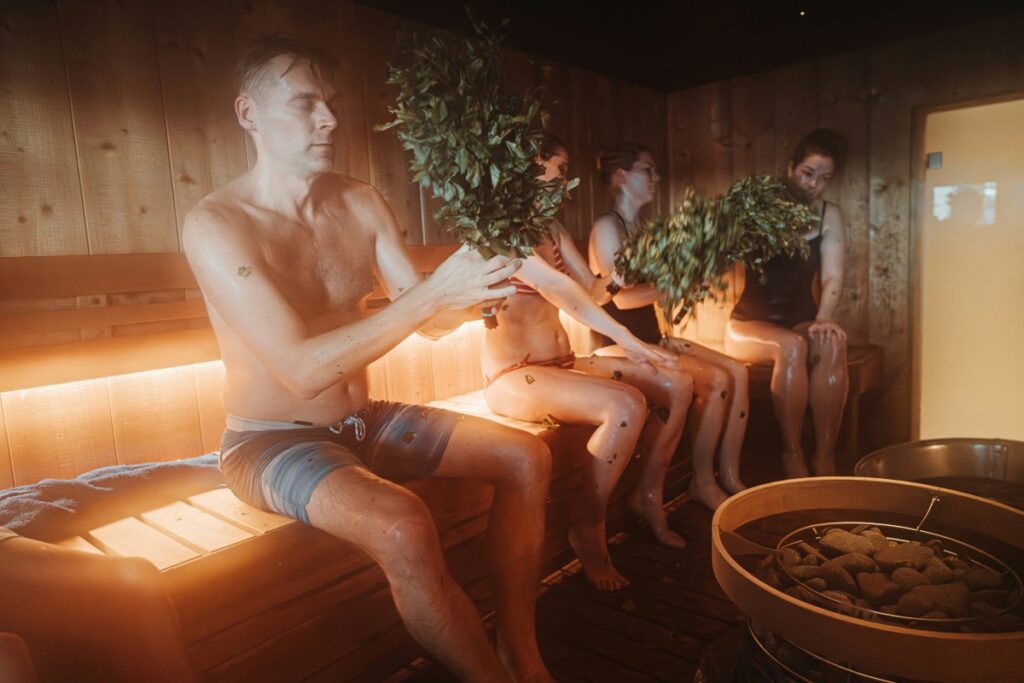
The sauna (bastu) is real and frequent. Most stugor near water have one, either electric or wood-fired. Wood-fired ones take 1-2 hours to heat properly – plan ahead.
Older cottages may have a torrdass. A dry/composting outhouse toilet is completely normal in budget and rural listings. It’s not a red flag – it’s just rural Sweden.
Wi-Fi is often weak or absent. Many stugor are intentionally “off-grid” in spirit. Cell coverage in forested areas can also be patchy.
Kitchens are usually fully equipped but basic. Expect a stovetop, fridge, basic cookware, and coffee maker – Swedes take their fika (coffee break) seriously even in the woods.
Getting There and Getting Around
Almost no stuga is reachable conveniently by public transport, and this is the single biggest thing I wish more guides emphasized. If you’re renting a stuga in Sweden, you need a car for at least part of the trip.
[AFFILIATE: Discover Cars – “compare rental car prices for your Sweden trip”]
From my experience: Even cottages advertised as “near the train station” often mean a 5-10km gravel road from the nearest stop, with no taxi service. If you’re travelling without a car for the rest of your trip, it’s worth combining train travel for the city portions with a short-term rental just for the cottage days.
What Nobody Tells You: Insider Tips for a Stuga Stay
Allemansrätten works in your favor. Sweden’s “right of public access” means you can walk, swim, pick berries, and even camp for a night on most uncultivated land – even if it’s privately owned – as long as you’re respectful and not near someone’s house. This means the “wilderness” around your stuga is genuinely yours to explore.
Mosquitoes are not a joke in June/July. Especially near lakes in central and northern Sweden. Pack proper repellent – what’s sold locally is good, but bring a backup if you’re sensitive.
Book in winter for July. Swedes themselves take their main summer holiday (industrisemester) in weeks 28-31 (mid-to-late July), and the best stugor are often booked a year in advance for that period. If your dates are flexible, late June or August gets you better availability and lower prices.
Bring more cash-equivalent than you think. Many rural shops near cottage areas are small and may not all take foreign cards smoothly – having a Wise card with SEK loaded is genuinely useful here, not just a nice-to-have.
How to Rent a Swedish Stuga: Your Action Plan
- Pick your region first, dates second. Archipelago and Bohuslän book out faster than Dalarna or Småland.
- Search Booking.com and a Swedish agency in parallel to compare prices for the same area.
- Check what’s included – cleaning fee, linens, electricity – before comparing totals.
- Sort out transport early. Assume you’ll need a car for at least the cottage portion of your trip.
- Pack for off-grid moments – repellent, a power bank, and an eSIM with Swedish data if you’re heading somewhere remote.
- Get travel insurance that covers outdoor activities, especially if swimming, kayaking, or hiking is part of the plan.
- Arrive with low expectations of Wi-Fi and high expectations of silence – that’s where the magic actually is.
Renting a Swedish stuga isn’t complicated, but it rewards a bit of planning. Get the basics right, and you’ll end up with the kind of trip that makes people ask “wait, you can actually do that in Sweden?”